The organization will carry out the following activities towards the objectives:
Organize screening camps particularly among scheduled tribe, schedule
caste, Nomadic population and OBC population groups.
Organize periodic activities in the nature of workshops, lectures by
eminent scientists/worker in the field, in social and community settings
for increasing awareness of hemoglobinopathies, its cause, preventions,
remedies
Organize specialized scientific activities in assistive development of
existing infrastructure
Provide assistance to other organizations working in the field of
Hemoglobinopathies.
Tribes Screened
Bhill, Pawara, kokana and Mavachi
Tribes of border states of
Maharashtra namely Barela of MP (District Barwani, Khargone and Bhill and Pawara
community of South Gujarat (Dist. Tapi, Surat and Narmada) have also been sensitized
for
Sickle Cell disease.
Laboratory Diagnosis of Sickle cell
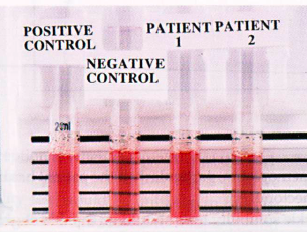
Solubility test reading:
The Hemoglobin Solubility Test detects Hb S, which is present in
individuals with sickle cell anaemia or sickle cell trait.
"Solubility" refers
to how well a substance dissolves in a liquid. In this case, the substance is
the hemoglobin molecule, the major protein in RBCs, and the liquid is
blood plasma.
Usually, for individuals without sickle cell disease or sickle cell trait, the
most common hemoglobin is Hb A, which dissolves quickly in the
blood. As a result, the plasma remains clear but will take on a red color.
However, the hemoglobin from an individual with sickle cell disease is
Hb S. Hb S does not dissolve easily in blood plasma. Instead, the plasma
will become cloudy because the Hb S forms tiny crystals. Therefore, a
person with the sickle trait will have Hb A and Hb S. They will have
some clouding but less than the full-blown sickle cell disease.
Electrophoresis
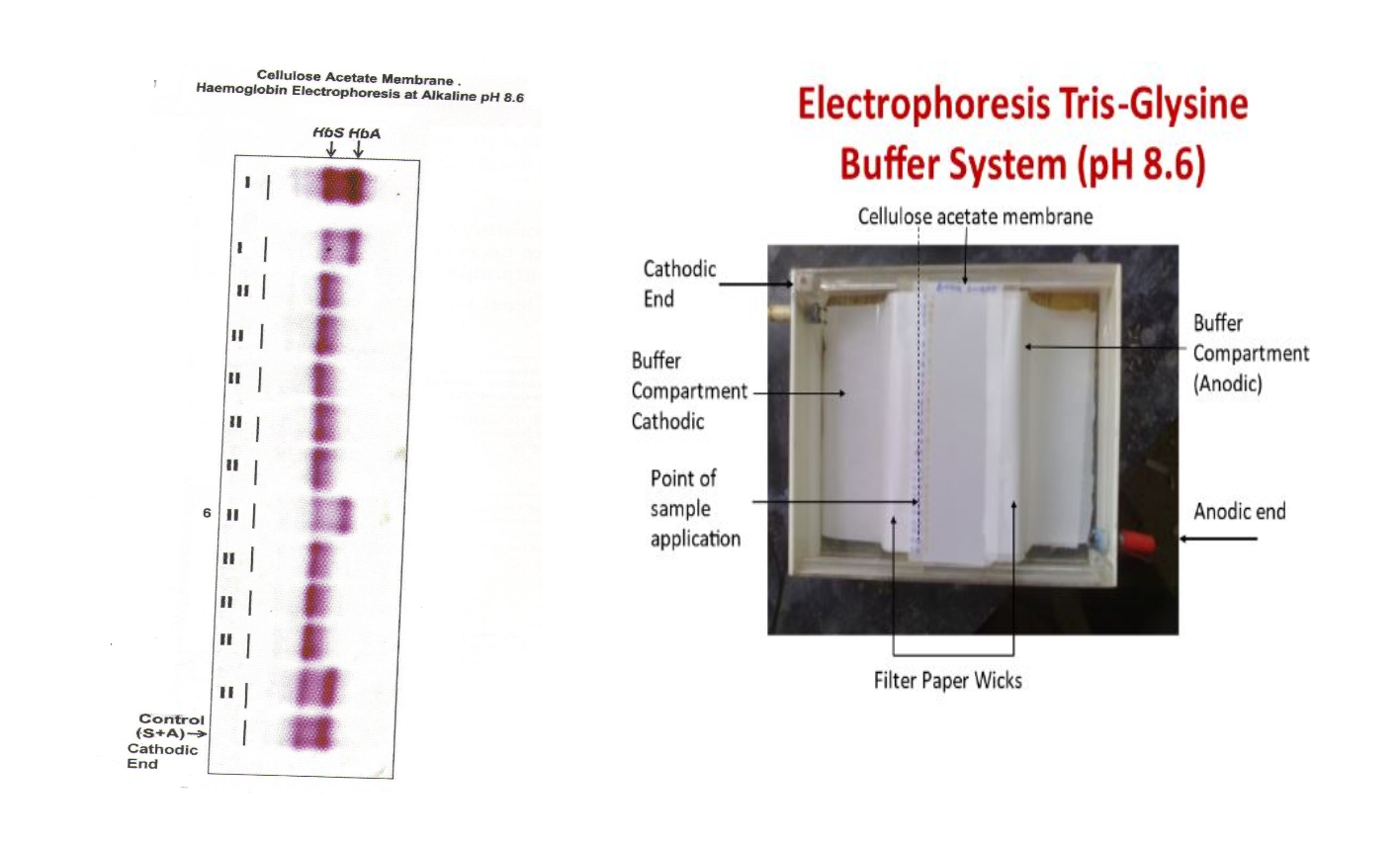
Electropherogram:
Hemoglobin gel electrophoresis is the most common methodology used
for diagnosis. This assay is based upon the association of novel
electrophoretic banding patterns with a particular variant of the
hemoglobin β proteins that would allow them to be differentiated from
one another.
Point of Care kits
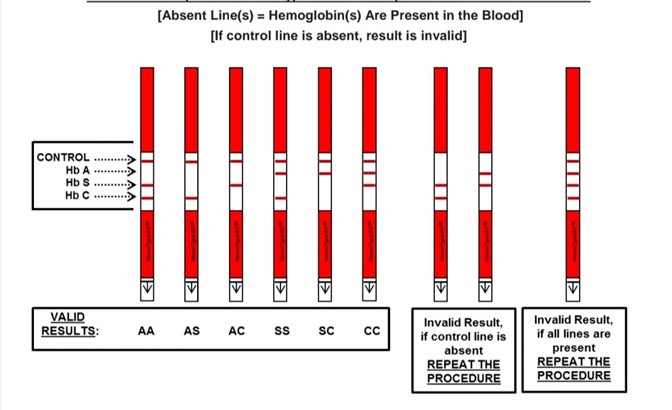
POC test result:
POC a rapid test kit for
the determination of hemoglobin type in whole blood. This is a competitive
lateral flow assay incorporating monoclonal antibodies for detection of
hemoglobin A, hemoglobin S, and hemoglobin C.
It provides point-of-care determination of hemoglobin phenotypes HbAA
(normal), HbSS and HbSC (sickle cell disease), HbCC (hemoglobin C
disease), and HbAS and HbAC (carrier or trait). HemoTypeSC™ does not
detect other hemoglobin variants (such as Hb D or E) – these variants will give
the same result as Hb A.
It does not detect – and results are not affected by – fetal hemoglobin, and is
therefore suitable for newborn screening..
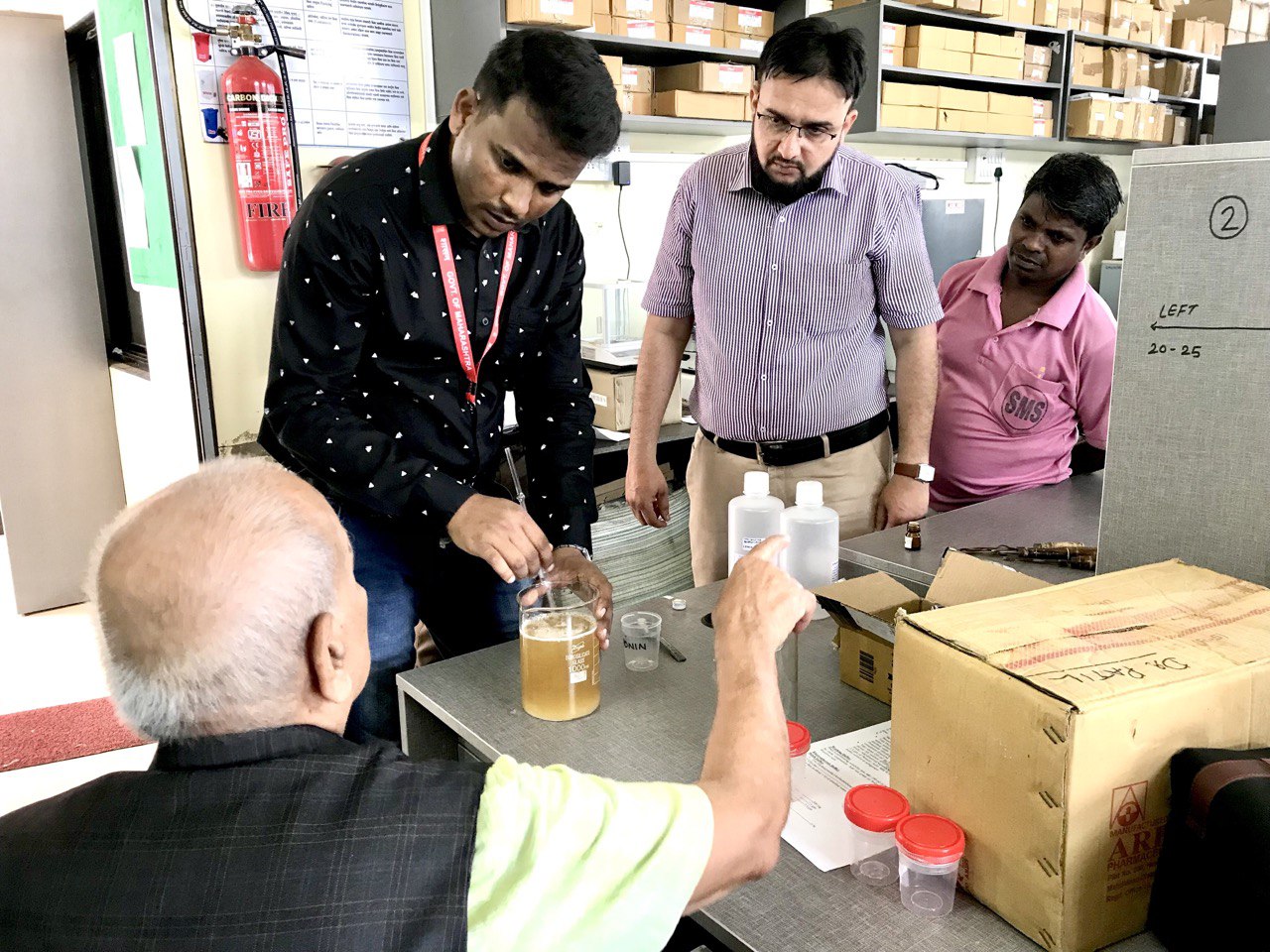
Urine analysis
Proflo-U has a broad albumin detection range from 30 - 1000 mg/L & creatinine
detection range from 200 - 3000 mg/L, Proflo-U is your partner in achieving accurate
and consistent results, revolutionizing the way albumin & creatinine detection is
approached.
An ergonomic, sealed vial with formulated reagents for kidney biomarker detection in
urine. Transforms into a cuvette for precise measurement upon urine addition. Sturdy
leg for stability, broad neck for easy handling.
/h2>
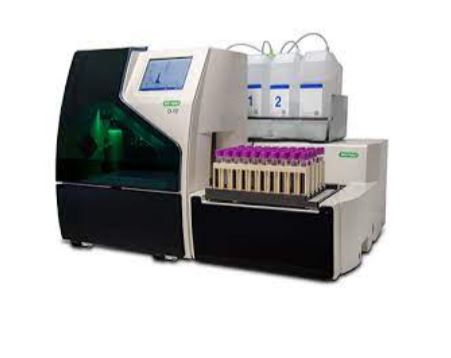
HPLC testing
HPLC instruments:
The best way to check for sickle cell trait or sickle cell disease is to look at
the
blood using a method called high-performance liquid chromatography (HPLC).
This test identifies which type of hemoglobin is present. To confirm the results
of HPLC, a genetic test may be done.
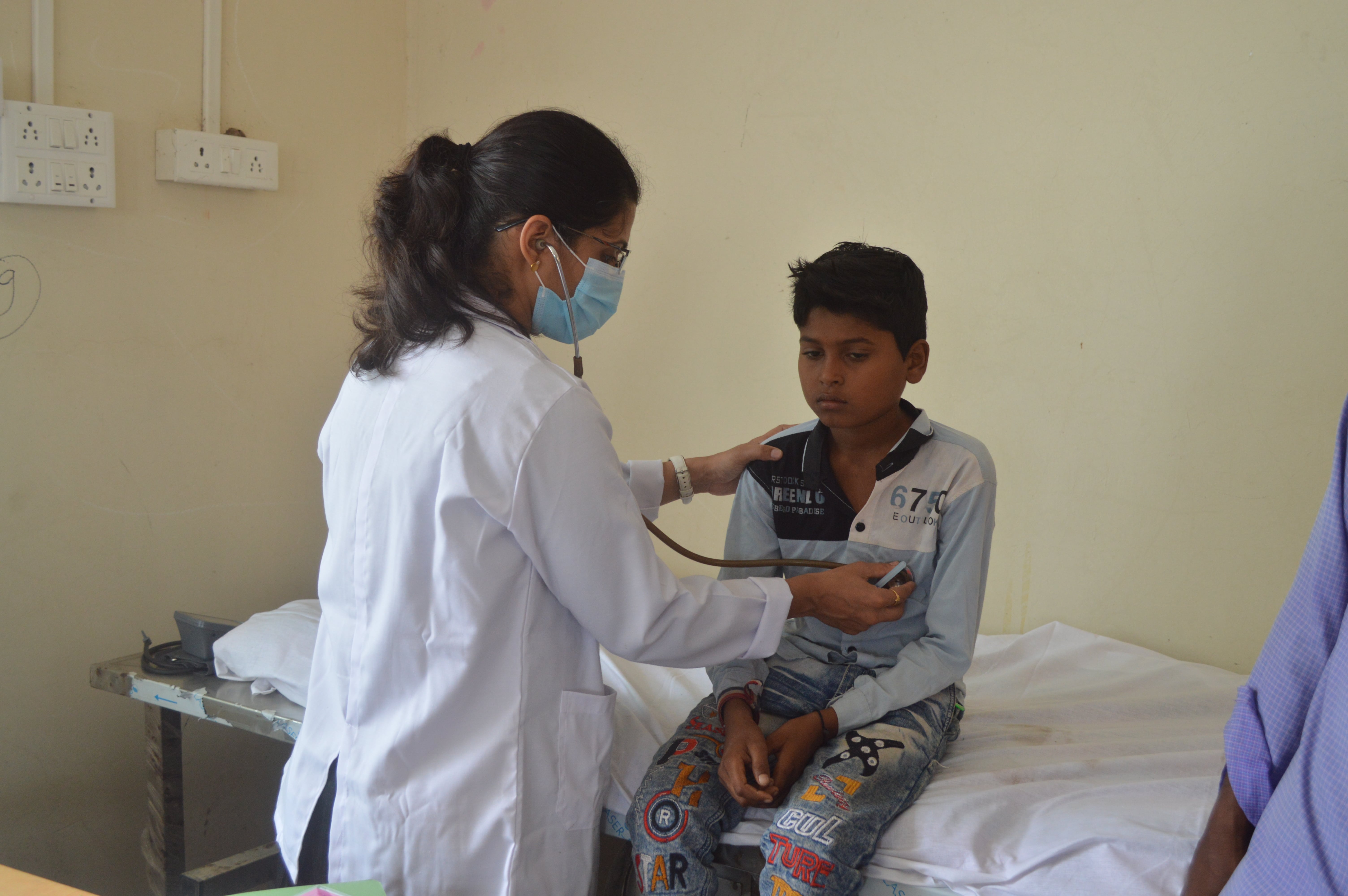
Clinical Examination
General examination - Jaundice For other acute and chronic complications and
orthopedic complication.
Systemic examination pertaining to Sickle Cell Anemia - splenomegaly.
Treatment
Hydroxyurea
Alternative Anti-sickling Ayurvedic Medicine
Supplements & Crises Medicines
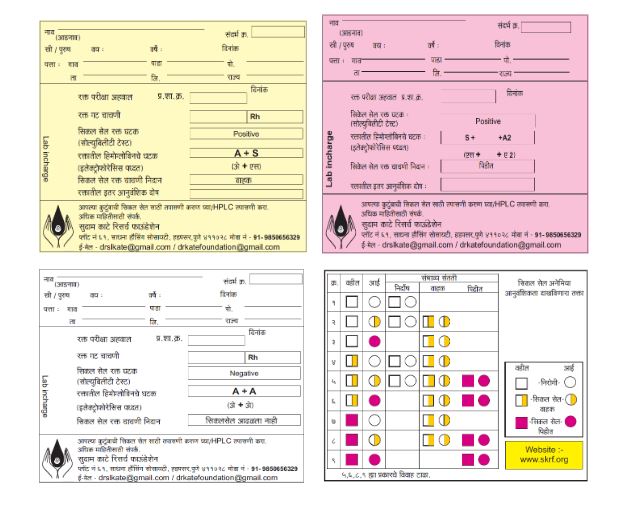
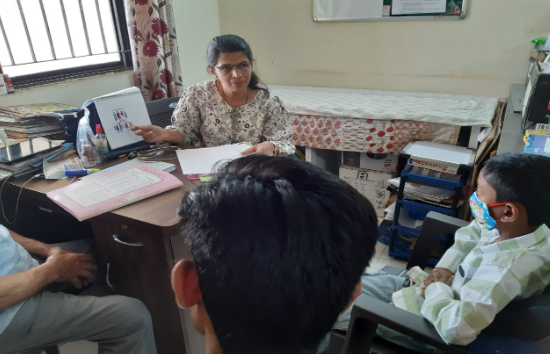
Counselling
Novel Counselling system using colored cards and table calendar
Marriage & Prenatal Diagnosis
Other laboratory investigation
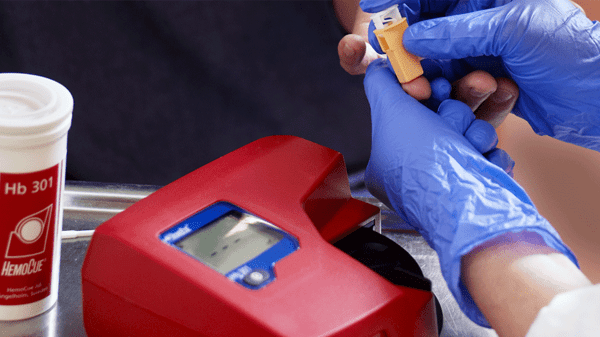
Hemoglobin - Using Hemocue Point of care kits
Random Sugar – Accucheck Point of care kits
Radiological investigations – X rays, Sonography
Manpower development
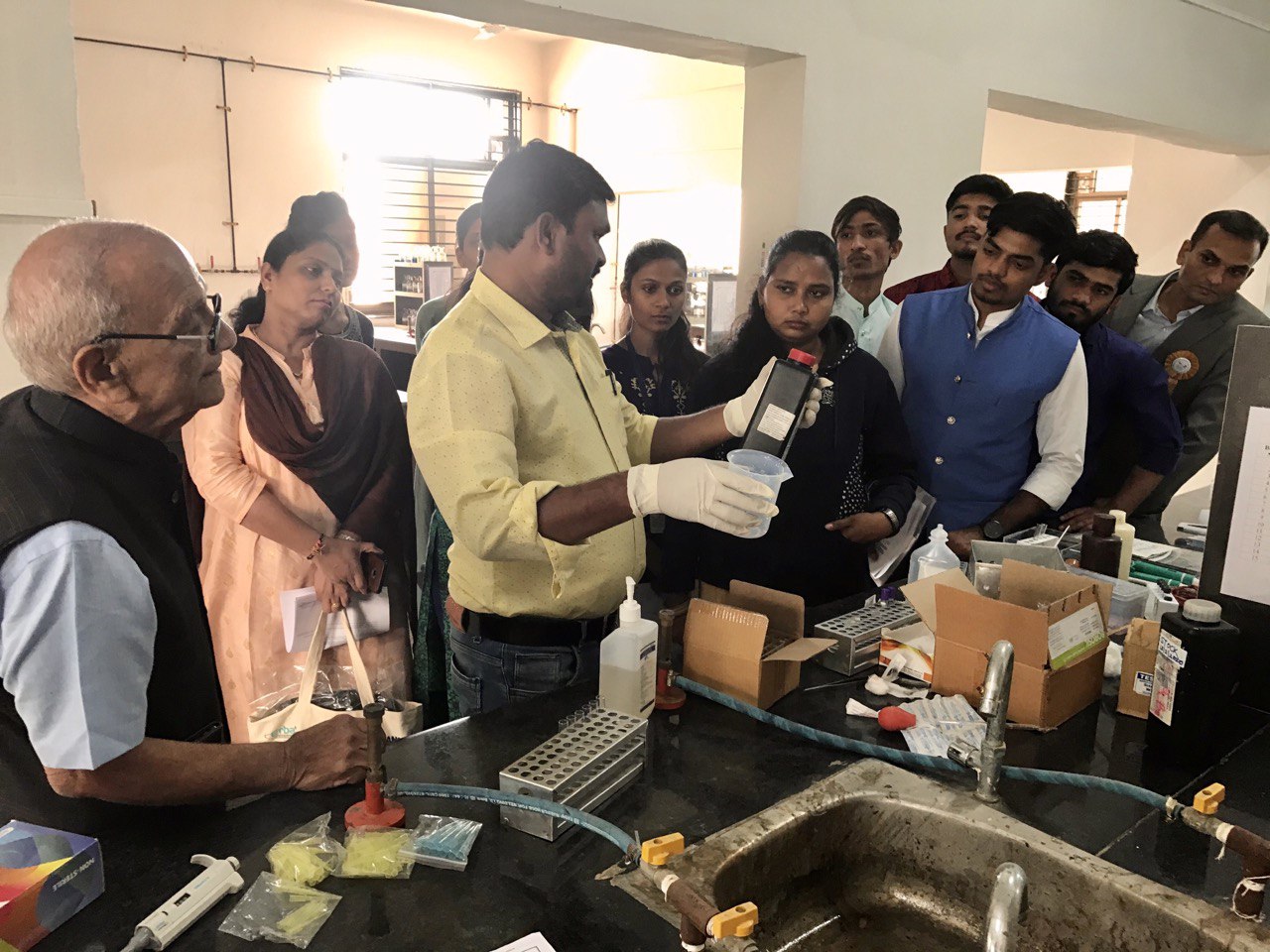
Workshop
An urgent need-of-hour requirement in the fight against SCD is capacity strengthening of
well-trained manpower. This is a herculean task and involves multiple levels from
physicians to community healthcare workers.
Zydus Medical College, Dahod, Gujarat.18th & 19th January 2020. 50 Staff, teachers and
students attended:
30th June 2022, Nandurbar Medical College, Nandurbar, 250 participants
Academic activity
Summer Internship
We successfully completed our first summer Internship program. It was a rewarding experience where young school children significantly contributed in multiple aspects of our routine activities which included clinical registry, data entry, making counselling posters, pedigree analysis and helped in general workflow. We hope to continue this program every year.
Other training activities
Young medical professionals with keen interest actively participated in medical
camps activities. Patients’ examination, counselling, making specialised treatment
workflow and follow-up sheets are being developed by them.
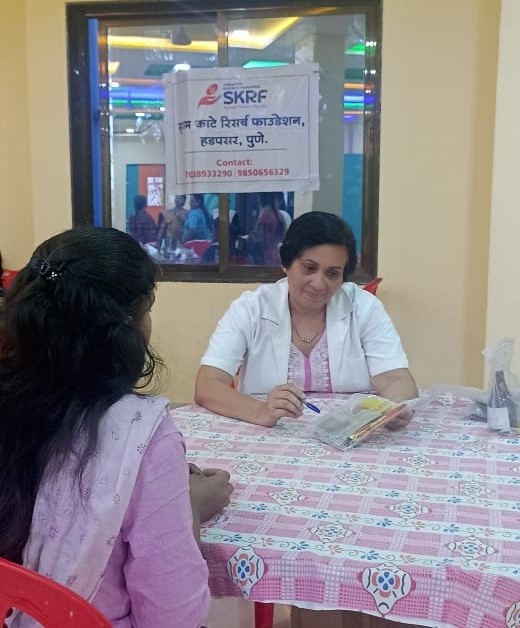
Specialised Medical Consultation
Physicians from SKRF Clinical Consultant Panel are actively engaged in camp visits
providing treatment and helping in cohort management to reduce SCD associated
co-morbidities. This activity has significantly impacted in improving the quality of
life in patients.